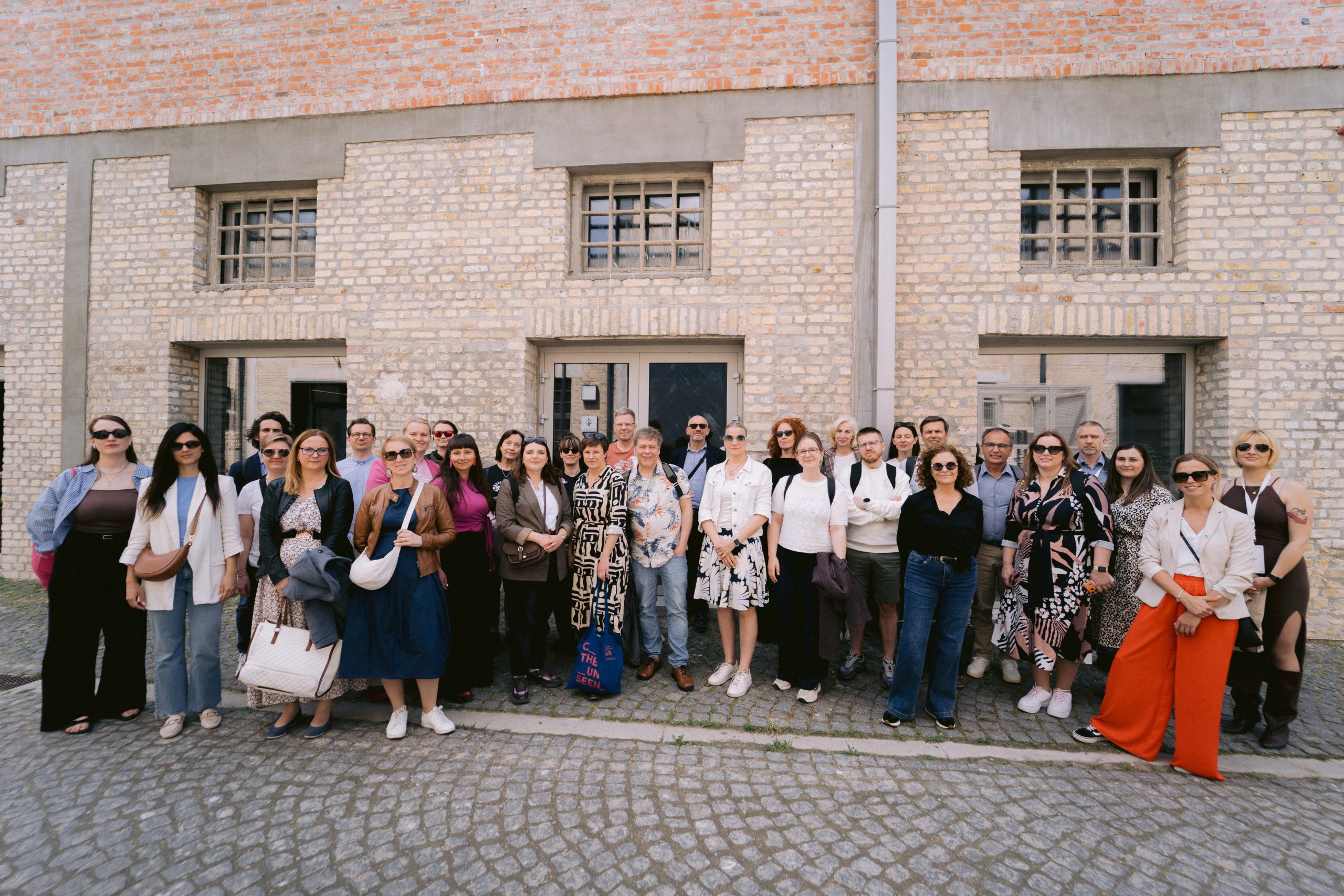
The key results of the “Novi Sad – European Capital of Culture” project — international cooperation, urban transformation, decentralisation of culture, strengthening of the cultural sector, responsible budget management, economic development, and sustainable legacy — were presented during a project meeting held within the framework of the international ECoC Echo project.
These achievements were also recognised in the European Commission’s report as examples of good practice, which is why they were at the centre of discussions among representatives of former, current, and future European Capitals of Culture, who stayed in Novi Sad from 19 to 21 May. The partners also visited five cultural hubs dating from the 17th to the 21st century, representing examples of the most comprehensive cultural infrastructure renewal in the city.
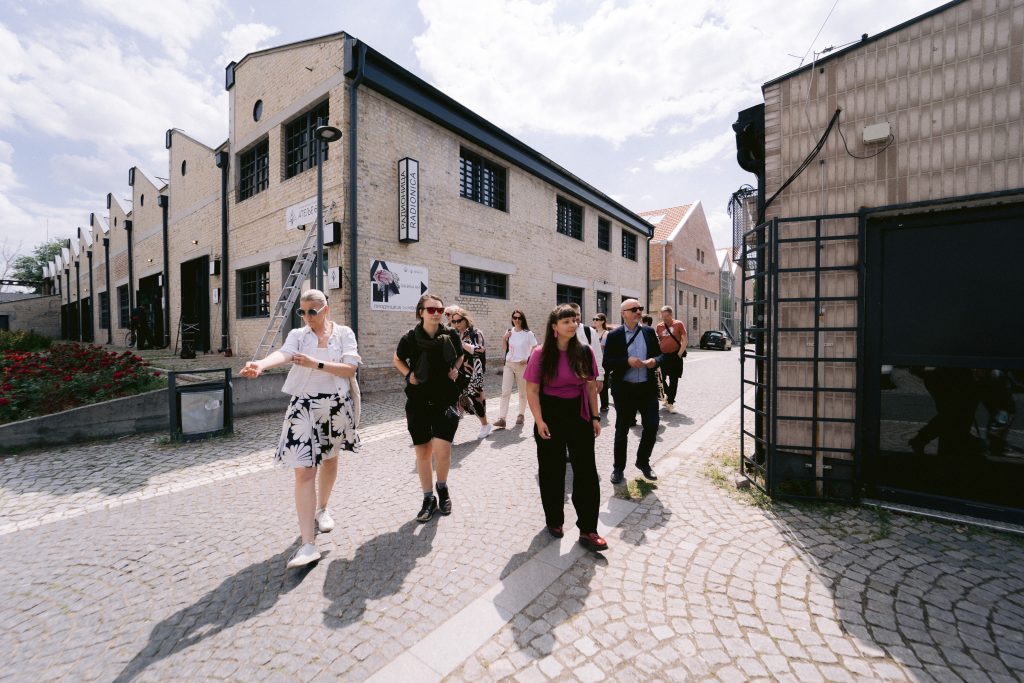
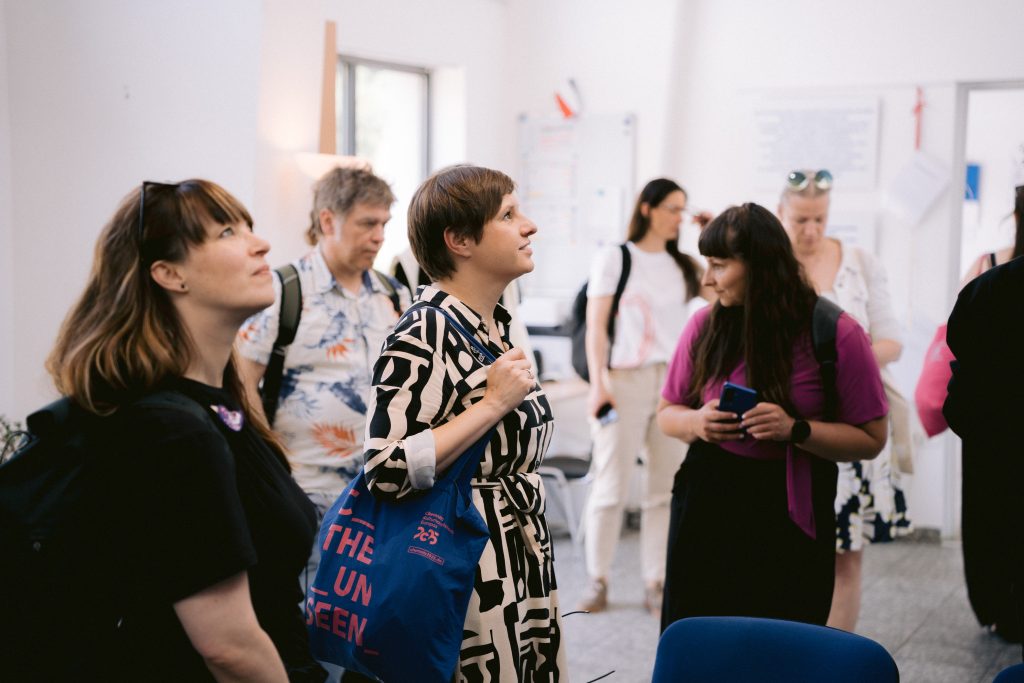
On the first day, the delegation visited Almaški kraj, the oldest part of Novi Sad dating back to the 18th century, which has been included in the prestigious Faro Network and whose complex restoration is still ongoing. The heart of Almaški kraj is the Cultural Station Svilara, where the delegation had the opportunity to learn more about the entire network of cultural stations — 12 renovated and newly established spaces throughout the city and its surroundings, created with the aim of decentralising culture.
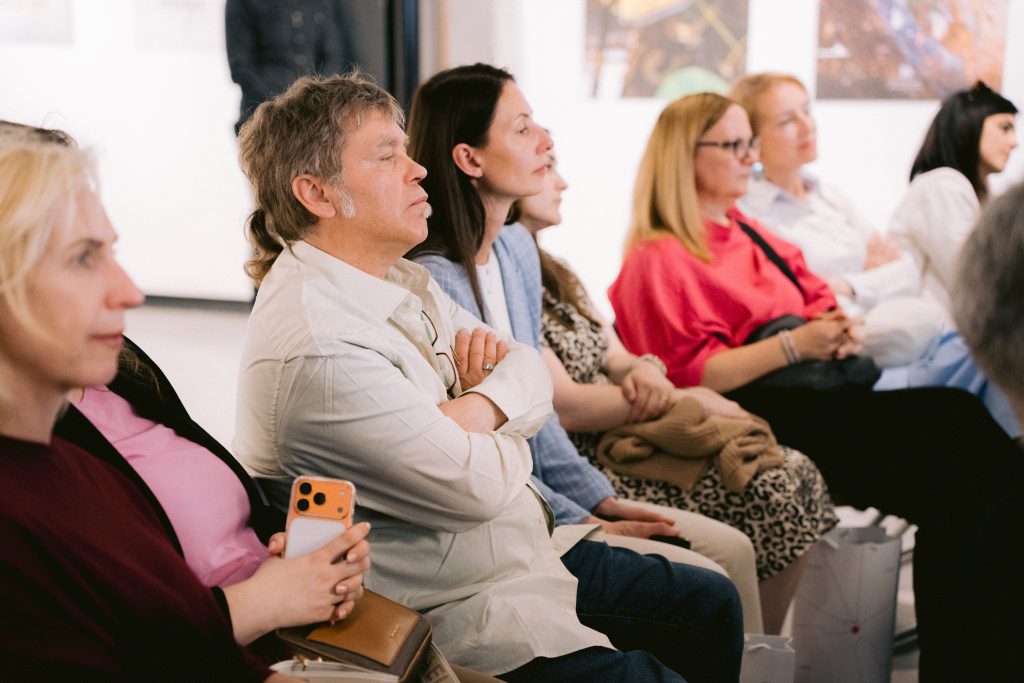
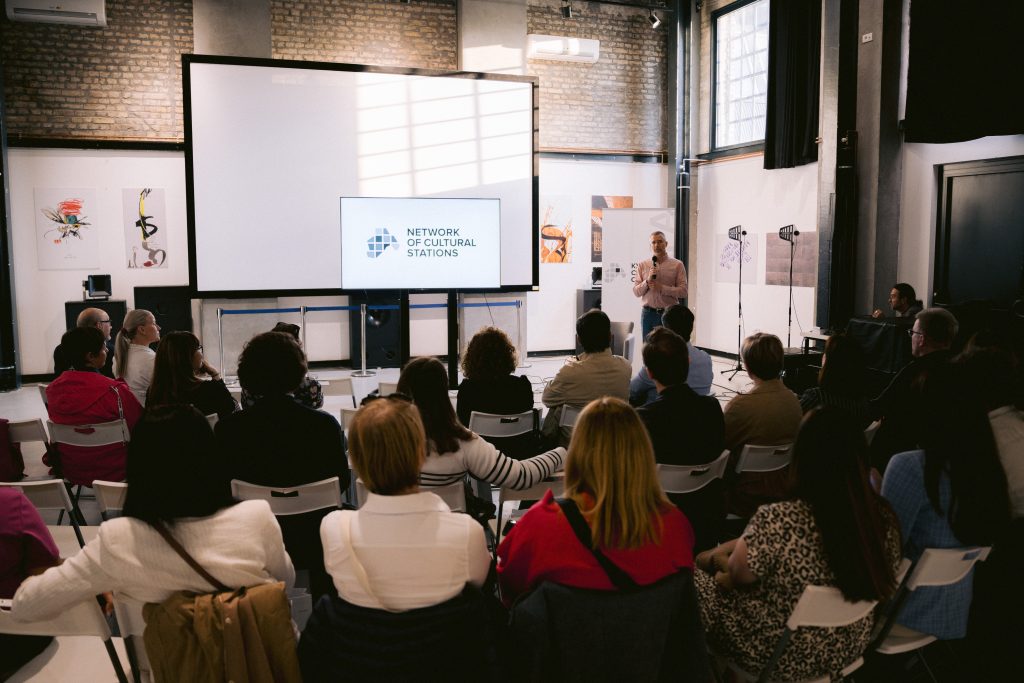
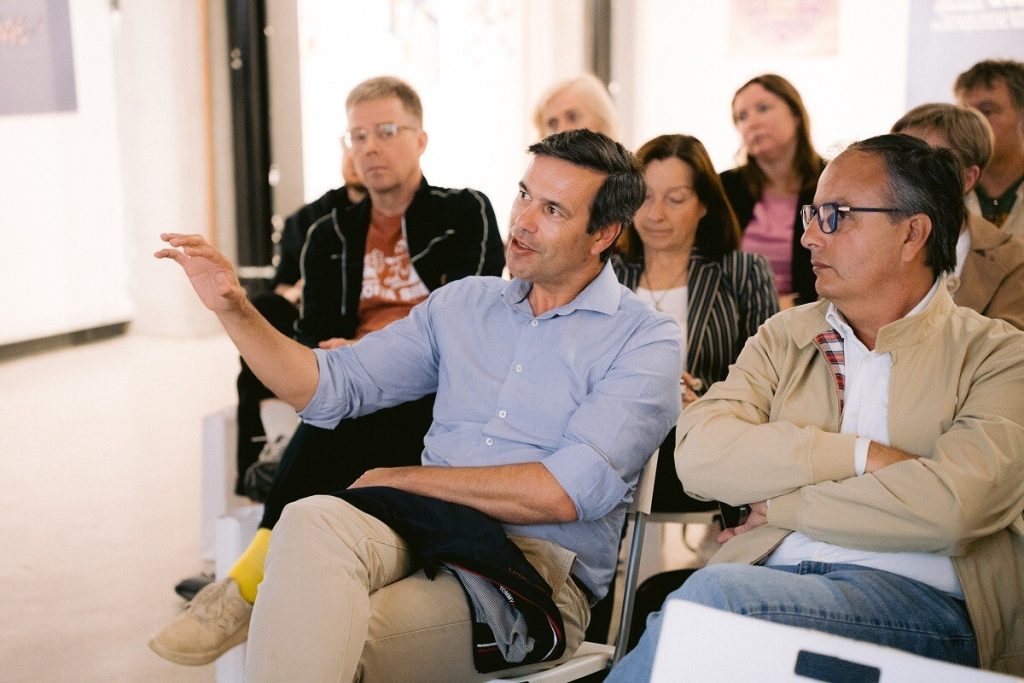
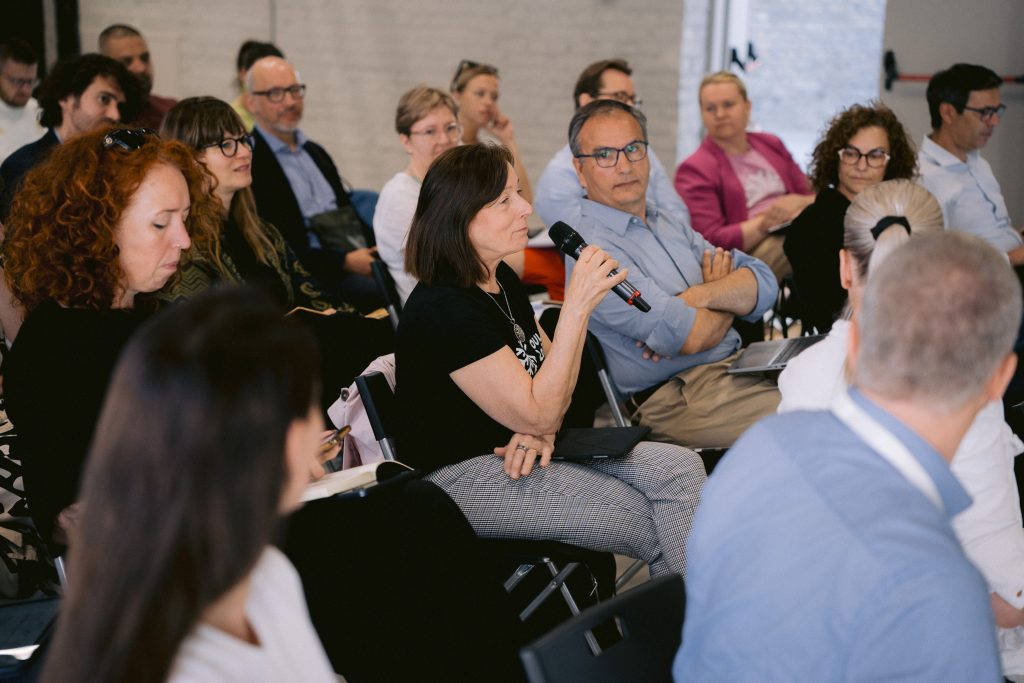
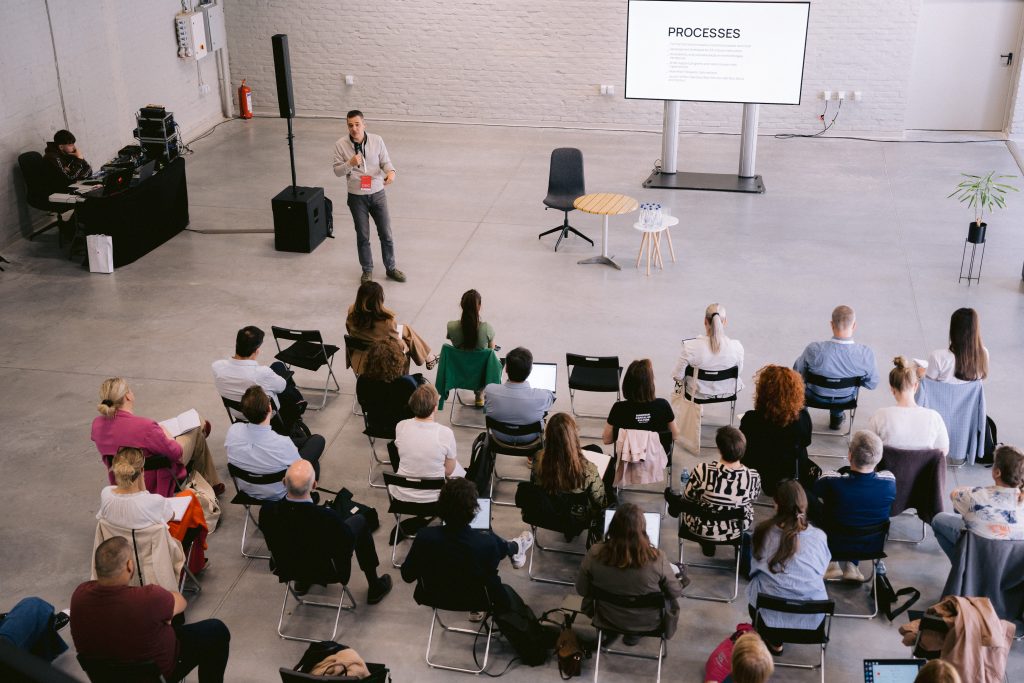
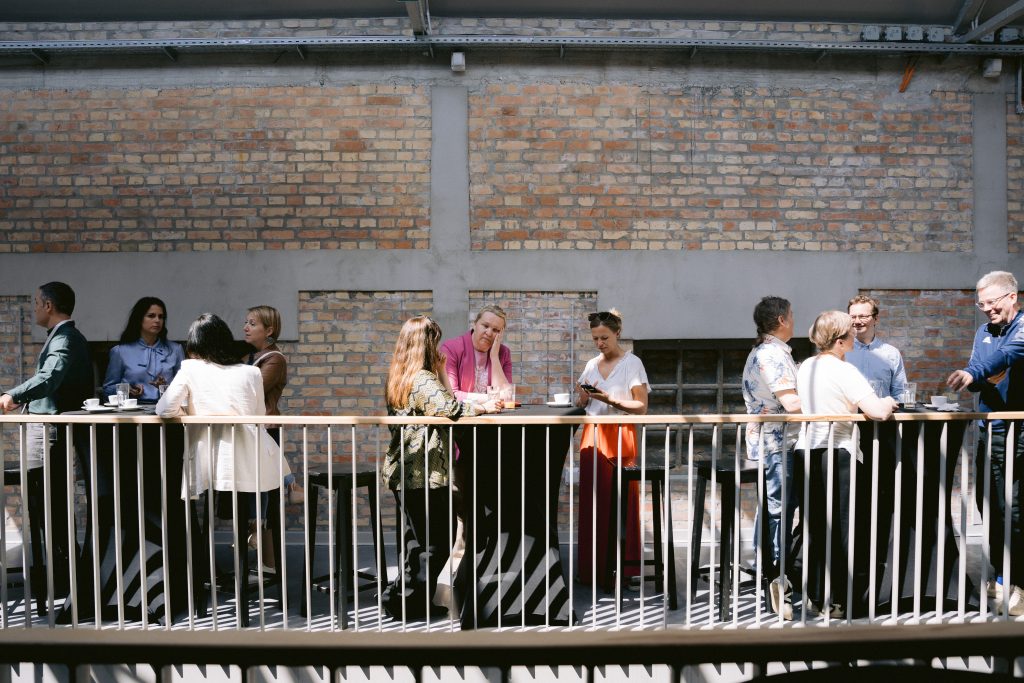
The second day was reserved for discussions held in the space of century-old industrial heritage, today transformed into a centre of contemporary creativity — the District. Topics included the successful results of the project recognised at the European level, presented by Nemanja Milenković, Director of the “Novi Sad – European Capital of Culture” Foundation. Tijana Palkovljević, Director of the national museum Gallery of Matica Srpska, spoke about the project’s impact on cultural institutions and the development of the cultural sector, while Sanja Božić from the Faculty of Sciences in Novi Sad discussed the specially developed model for evaluating cultural events and improving them accordingly.
Multimedia artist Tijana Jevrić and Zvonimir Ditrih from the production company Zoom media spoke about opportunities for young artists and the independent scene, as well as the development of production capacities and creative industries. The presentations and discussions concluded with a conversation about the long-term sustainability of the legacy and the transformation of the “Novi Sad – European Capital of Culture” Foundation, presented by Mira Živković from the City Administration for Culture.
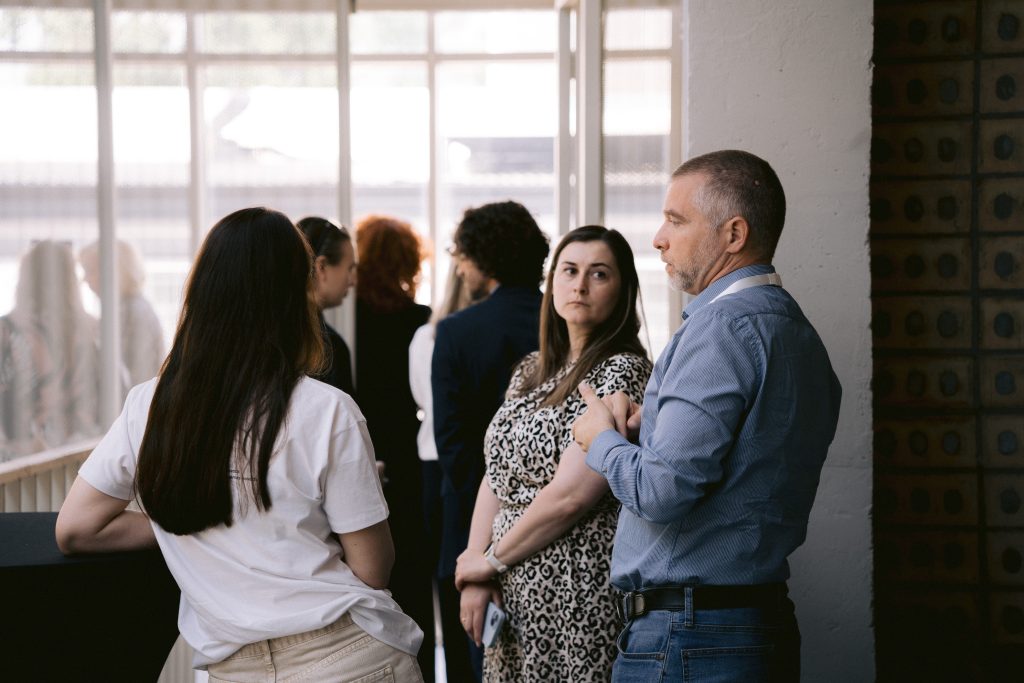
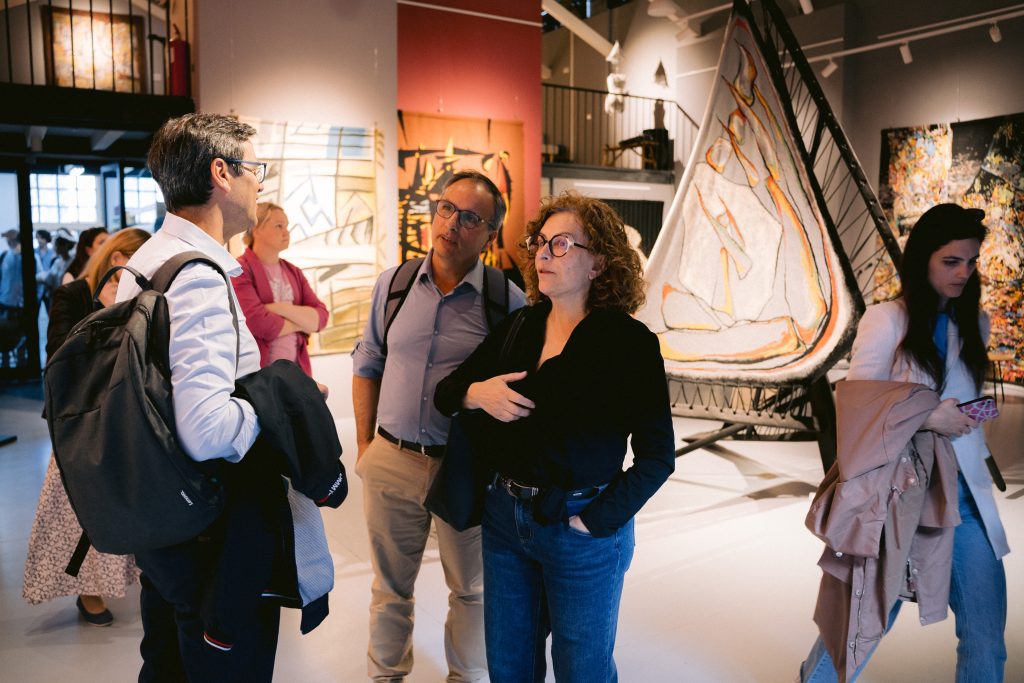
Following the presentations, the delegation visited institutions and organisations operating in the District, including the French Institute in Novi Sad, the Student Cultural Centre of Novi Sad “Fabrika”, the OPENS Youth Centre, and the tapestry workshop institution “Atelje 61”.
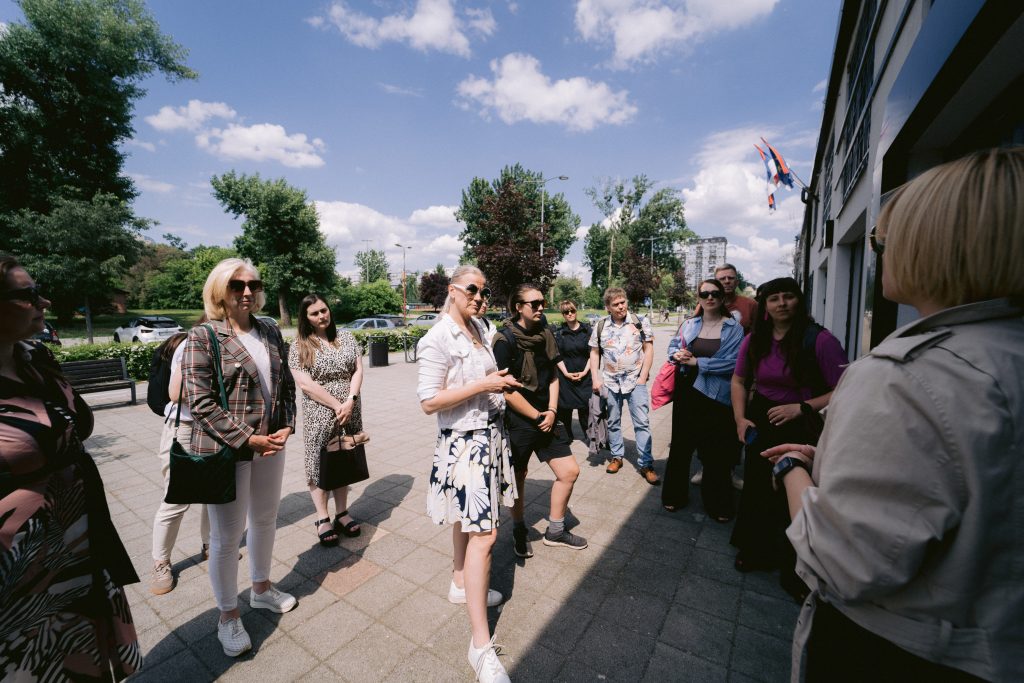
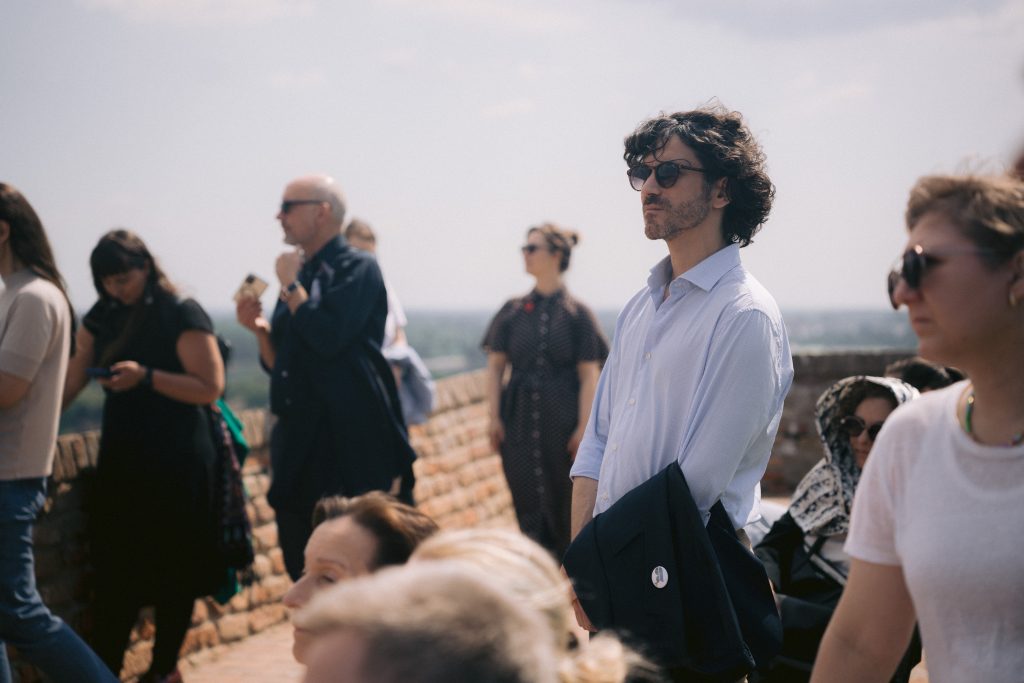
The third day of the project meeting included a tour of the 17th-century Petrovaradin Fortress and its renovated Suburbium.
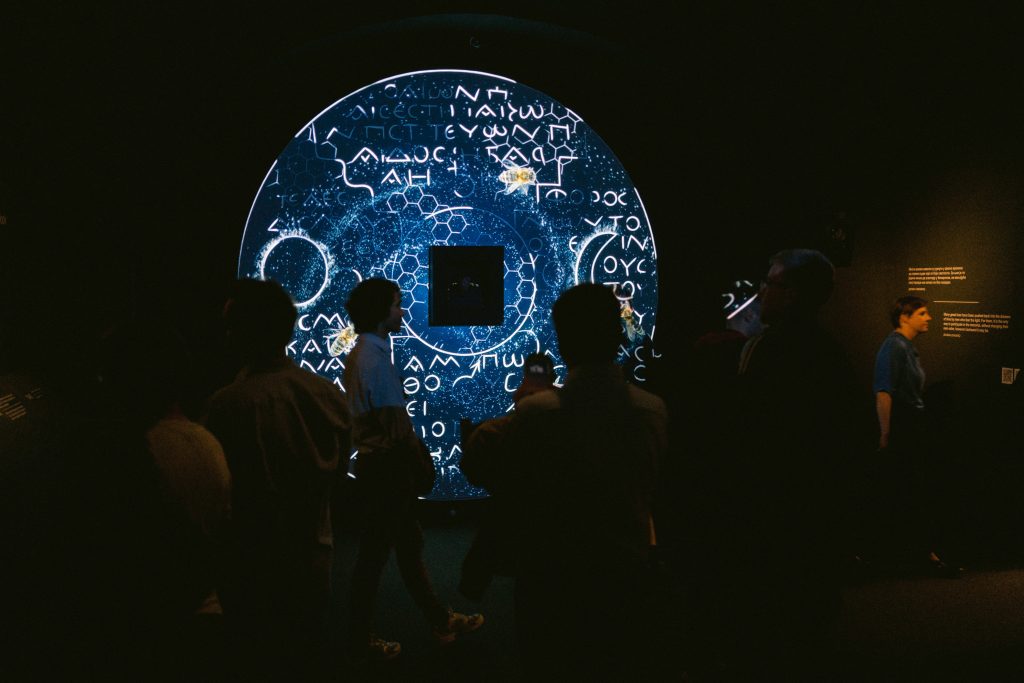
Doček and Kaleidoscope of Culture, as European award-winning legacy programmes of the ECoC title, attracted additional attention by connecting renovated spaces with contemporary artistic forms. The delegation had the opportunity to experience this through visits to the exhibitions “Mileva – We Are the Rock” and “Spirit of Place – The First Century of the District”, thanks to which Novi Sad was designated a UNESCO Creative City in the field of Media Arts in 2023.
In addition to Novi Sad, the ECoC Echo project also includes: Leeuwarden 2018 (Netherlands), Veszprém 2023 (Hungary), Tartu 2024 (Estonia), Chemnitz 2025 (Germany), Oulu 2026 (Finland), Liepāja 2027 (Latvia), Évora 2027 (Portugal), and Bourges 2028 (France).
The ECoC Echo project is focused on finding solutions that contribute to preserving and strengthening the results achieved during the title year, encouraging the growth of the cultural sector, regional development, and international cooperation. The project is co-financed by the European Union through the Interreg Europe programme, which supports interregional cooperation and helps public institutions across Europe develop better policies. Each participating city is required to organise a three-day seminar. The first two were held in Veszprém and Leeuwarden, while after Novi Sad, the next seminar will take place in Chemnitz.
Photo: Vladimir Veličković