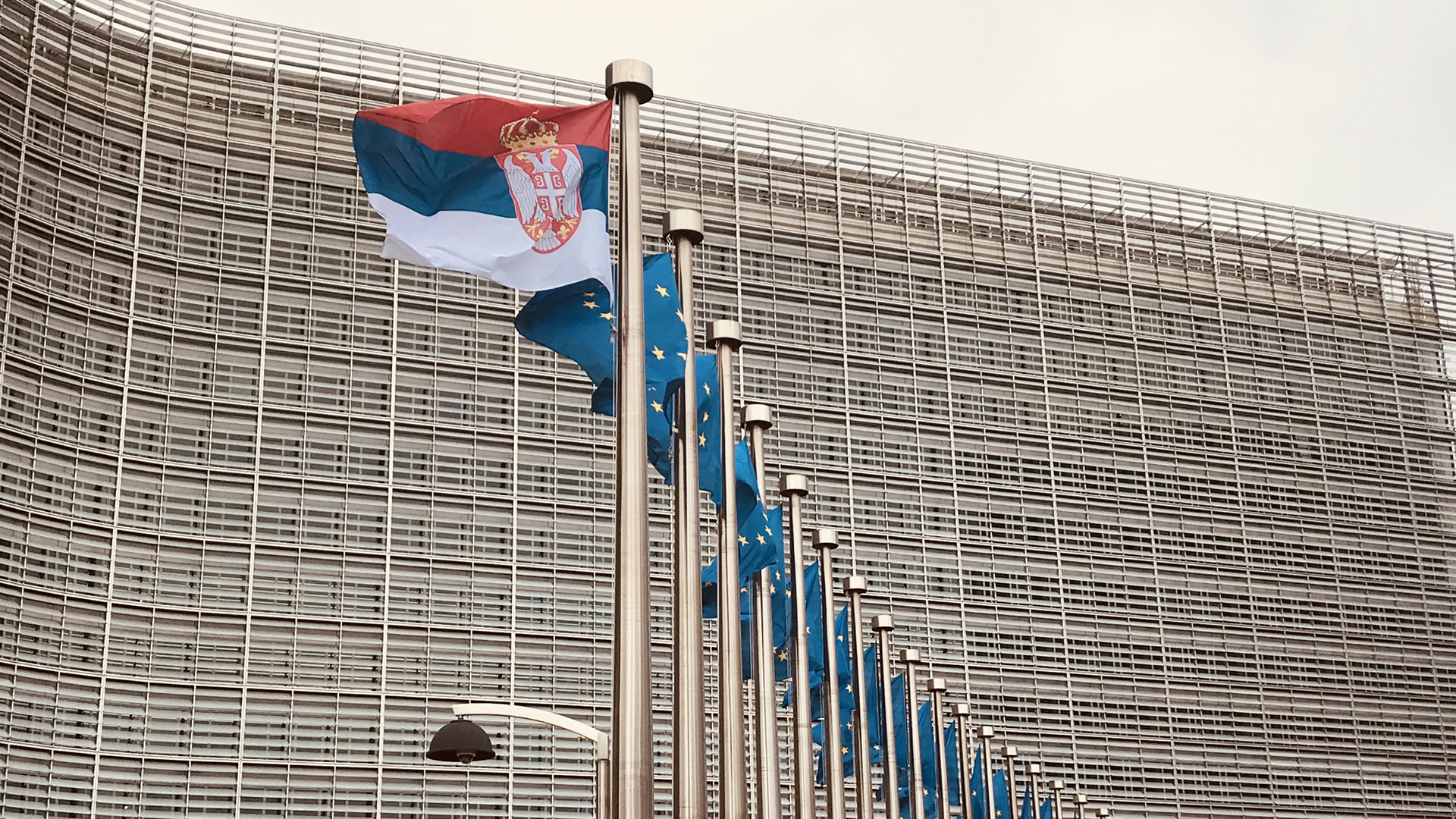
Representatives of the European Capitals of Culture (ECoC) from eight European countries visited Novi Sad from May 19 to 21 as part of the international ECoC Echo project.
Based on an extensive analysis conducted by the European Commission, Novi Sad has been presented as one of the most successful examples of the long-term development of the European Capital of Culture initiative. This comprehensive study, the first of its kind carried out by the European Commission since the ECoC project was established in 1985, highlighted Novi Sad among 22 former title-holding cities. Find more here.
According to the findings of the European Commission, Novi Sad received positive evaluations across nearly all key aspects of the project: connecting the “Serbian Athens” with artists from across Europe, improving cultural life throughout the city, supporting the development of the cultural scene, restoring tangible and intangible heritage, and stimulating economic growth reflected, among other things, in increased visitor numbers and the city’s international reputation — all achieved through responsible financial management.
During visits to renovated parts of Novi Sad, including the District, the Suburbium, the Almaš neighborhood, and the network of cultural stations, the delegation had the opportunity to witness the results of extensive cultural infrastructure development. For the first time within a defined period, a comprehensive process of renovation and development was implemented on this scale. The Welcome Event and Kaleidoscope of Culture, both European award-winning ECoC legacy programs, additionally attracted attention by connecting revitalized spaces with contemporary artistic content. Visits to the exhibitions “Mileva – We Are the Rock” and “The Spirit of Place – The First Century of the District” demonstrated the successful legacy of the ECoC project, through which Novi Sad was designated a UNESCO Creative City in the field of media arts in 2023.
In addition to Novi Sad, the ECoC Echo project includes: Leeuwarden 2018 (Netherlands), Veszprém 2023 (Hungary), Tartu 2024 (Estonia), Chemnitz 2025 (Germany), Oulu 2026 (Finland), Liepāja 2027 (Latvia), Évora 2027 (Portugal), and Bourges 2028 (France).
The ECoC Echo project is aimed at identifying solutions that contribute to preserving and strengthening the results achieved during the title year, encouraging the growth of the cultural sector, regional development, and international cooperation. The project is co-financed by the European Union through the Interreg Europe programme, which supports interregional cooperation and helps public institutions across Europe develop better policies. Each participating city is required to organise a three-day seminar, the first two of which were held in Veszprém and Leeuwarden, while Chemnitz will follow after Novi Sad.
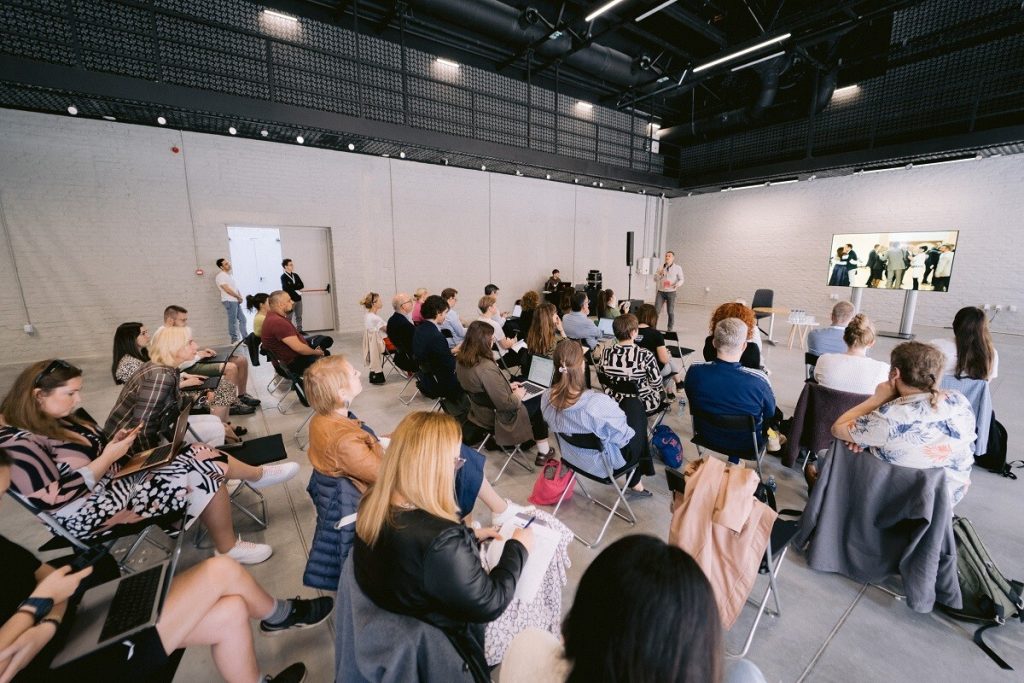


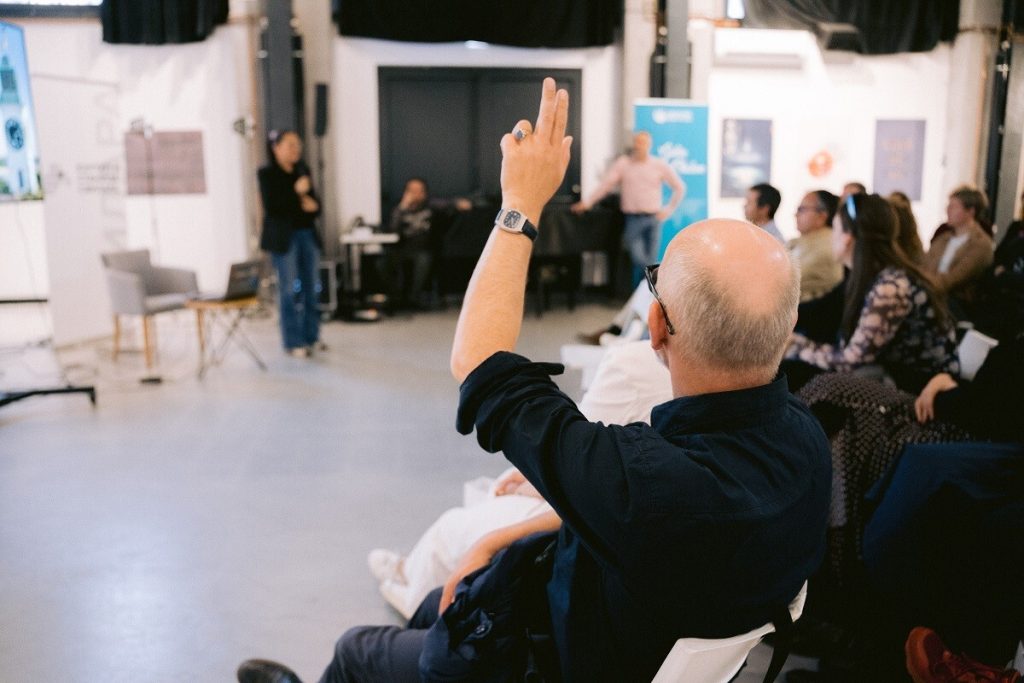

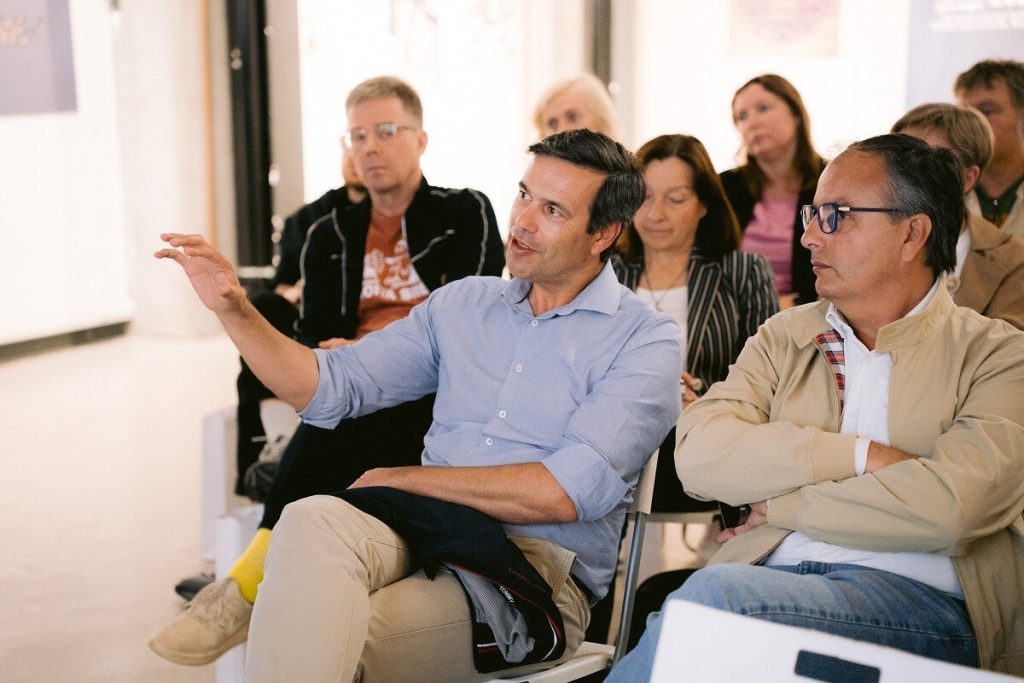
Photo: Vladimir Veličković